Contributor: Linda Roszak Burton, ACC, BBC, BS
To learn more about Linda, click here.
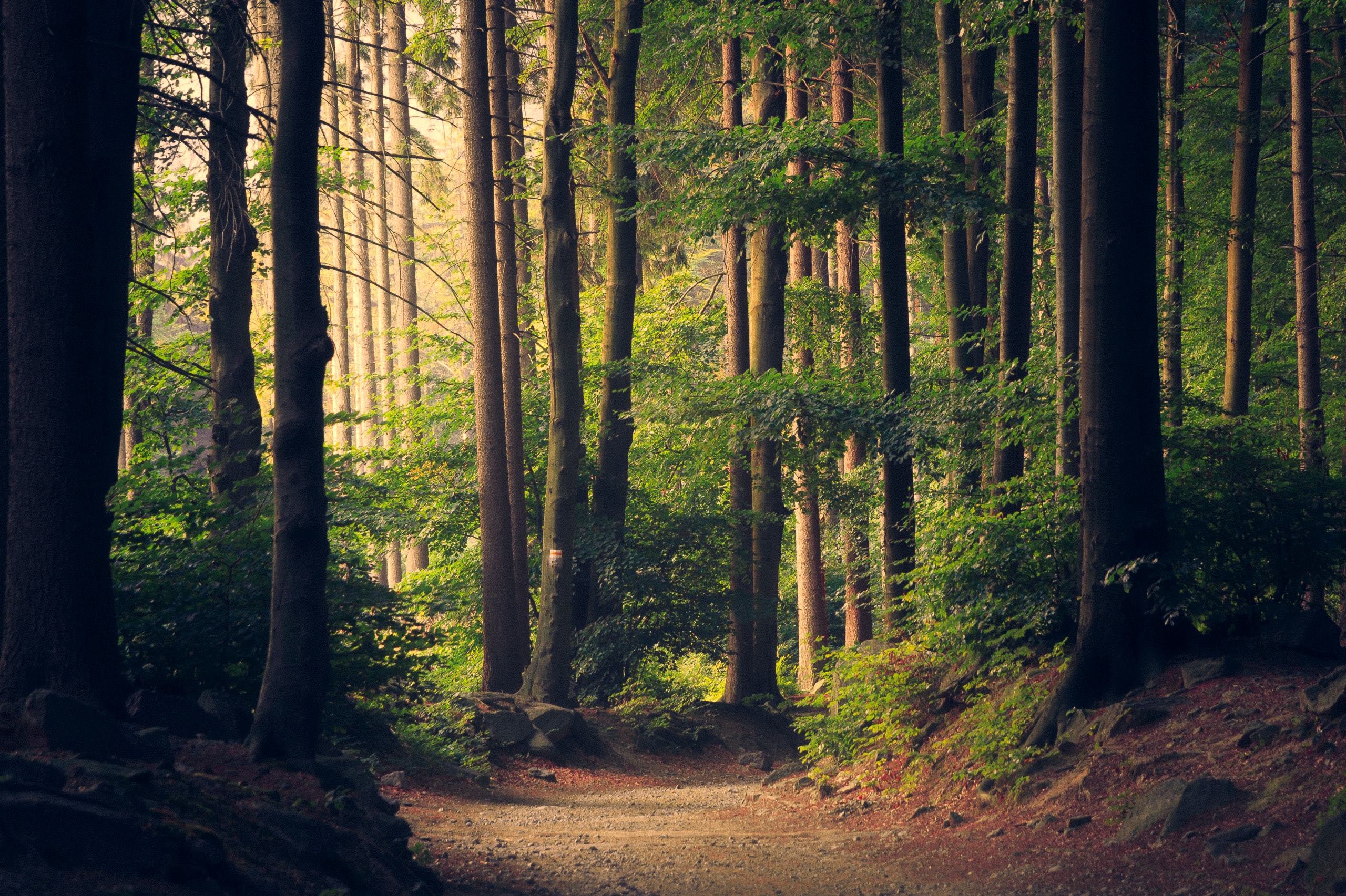
Photographer: Lukasz Szmigiel |
Kicking off a new year brings a sense of renewal and prompts us to look ahead with the hope of being more present and meaningful in our daily activities and interactions with others. One way to further cultivate and sustain renewal and hopefulness is practicing gratitude and creating new mental habits to “hardwire” these new year intentions and benefits.
Keeping a gratitude journal is one of the most cited practice techniques for experiencing the benefits of gratitude. And yet, we often hear from those who dislike journaling – for various reasons – lack of time or failure to journal (practice) regularly.
For millennia, journaling (keeping a diary) has been used to record experiences, reflections, and observations. More highly recognized journalers include Roman emperor Marcus Aurelius in Meditations, Marie Curie, Leonardo Da Vinci, and many others. Journaling continues to be a core element in cultivating and sustaining a grateful disposition. Handwriting your journal entries creates a meditative benefit and allows you to access both the analytical left hemisphere of the brain and the creative and feeling right hemisphere.
For those interested in a variety of practice techniques, below are a few applications that offer individual benefits, support leadership development, and align with a positive workplace environment and workplace wellness initiatives.
Take an “awe” walk. Take a walk out in nature and use all five senses (if possible) to notice, observe, and experience everything nature offers. This activity heightens our awareness of being part of something bigger than ourselves and enhances positive emotions and prosocial behaviors. Albert Einstein (also a journaler) connected awe as a source of all true art and all science. Studies show a 15-minute awe walk – experiencing the awe of what you experience during the walk - once a week for eight weeks can provide health and healing benefits, increase positive emotions, and decrease stress over time. A college wellness expert gave her students an awe walk assignment. Students returned amazed over what they had observed on campus that they had never noticed before. Some were motivated to draw their experience as a visual journaling practice.
Write a letter of gratitude. Write a letter to someone in your life for whom you are grateful. This is one of the earliest researched and most meaningful practice techniques. Some scholars recommend this letter be between 250-300 words. We recommend you cover these five criteria and be as specific as you can in your writing:
- What were the true actions of this individual that you’re grateful for?
- Why were these actions so meaningful to you?
- How have you benefited?
- What were their intentions and possible sacrifices?
- After writing the letter - call them or plan a visit and READ it to them.
A colleague wrote a letter of gratitude to her mom for her 90th birthday. As she said, “I didn’t know what I could give her as a gift that she doesn’t already have. This letter was the best gift I ever gave her.”
Use grateful processing. Consider an open memory that you have - an intrusive emotional memory that continues to surface and is still an “open book” years after the event occurred. This activity should not be linked to memories associated with shame, guilt, or regret. Instead, recall an open memory associated with sadness, loss, anger, anxiety, or frustration. Grateful processing diminishes the unpleasantness of the open memory, perhaps a loss of promotion, and helps to reappraise these events.
The “process” is one of curiosity, seeking out several responses to several questions. Questions such as: “What personal strengths grew out of this experience?; how did this experience help build resilience to meet future challenges?; what bigger perspective do I have in life?; and how has it helped me appreciate the truly important people and things in my life?” Overall, this Grateful Processing of Unpleasant Memories has improved the processing of these events and brought emotional closure. It can be viewed as a coping mechanism contributing to our well-being.
Team Gratitude Practice. From our coaching experience, some of the most inclusive, prosocial, and trust-building activities are associated with gratitude team-building activities. Practices can be designed to complement team building methodologies such as Lencioni’s Five Behaviors of a Cohesive Team, TeamSTEPPS, or Just Culture. Additionally, if a new strategic planning process is part of the new year activities, ensure the success of your strategic plan by building gratitude practices to recognize how and who will support the milestones of strategic priorities. Also, consider what upcoming activities you have planned where you can introduce the research on the impact gratitude has in organizations.
These activities require the utmost attention by leaders to create a safe environment for team building, using best practices from relevant gratitude interventions. In addition, bringing multidisciplinary partners together will require an environment where they can participate without fear of judgment and be acknowledged for their vulnerability and humility.
Where to Start
Consider starting with one of the individual practice techniques, such as the awe walk or writing a letter of gratitude, before building and broadening to the other applications. By sustaining your new mental habits, you’ll begin to show up differently, leading to a more successful implementation of other practices while creating a more positive work environment.
Want to learn more?
- Weaponizing Gratitude
- Gratitude - An Essential Element for Greater Inclusion
- The Reciprocity of Gratitude
- A Culture of Gratitude - Imperative in the Post-Pandemic Era
- The Healing Benefits of Gratitude Post-Pandemic - Start Now
- Emotional Intelligence and Gratitude
- The Neuroscience of Gratitude
- Discovering the Health and Wellness Benefits of Gratitude
Contact Linda at:
[email protected] or 410.707.3118